

On a recent Friday afternoon, students at Bay Area Technology School sat quietly in their school gym, listening to two of Oakland’s most prominent Black female leaders—District 3 Councilmember Carroll Fife and Councilmember At-Large Rowena Brown as they shared powerful stories of overcoming adversity, defying the odds, and using their voices to create change.
Fife (pictured above alongside BayTech students) helped lead the takeover of a vacant West Oakland house by a group of homeless mothers to highlight the city’s housing crisis. In Brown's case, after losing both of her parents by the age of 17, she transformed personal hardship into a lifelong commitment to public service. 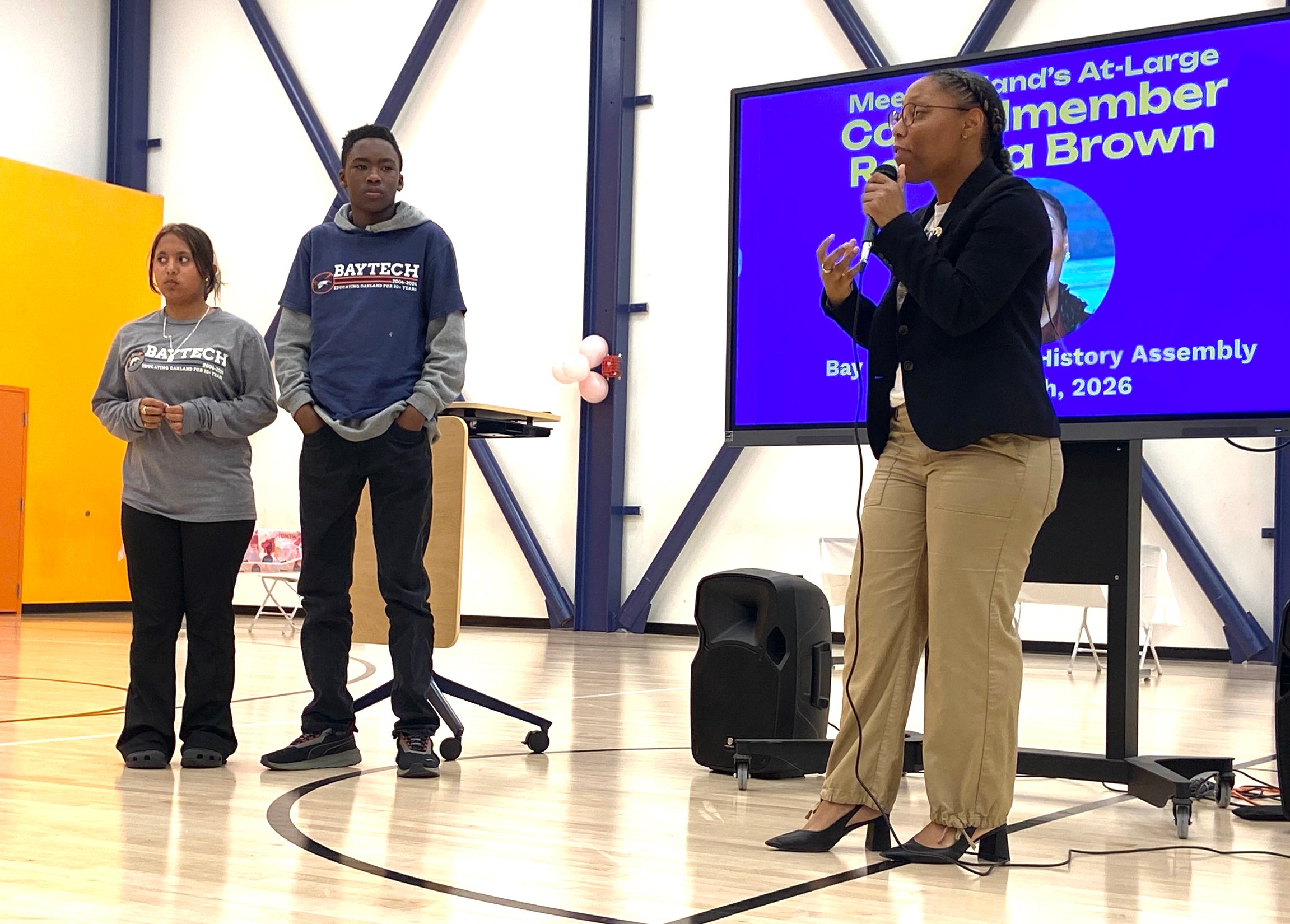
Oakland City Councilmember At-Large Rowena Brown (right) speaks to BayTech students at a recent school assembly.
For many students, the stories were deeply moving.
BayTech sophomore Angela Monroy said this was the first time she had heard about Fife’s role in the housing protest.
“I knew housing was bad, but I had never heard about that specific event,” Monroy said. “For me, it gave me the shivers.”
Other students saw themselves reflected in the stories.
“When Rowena shared that she lost both of her parents, I’m kind of going through it as well because my parents are not in my life right now,” said Andrea Scott, a BayTech senior. “Every day I push myself to stay consistent, keep a smile on my face, and do what I’m supposed to do to graduate high school. It’s hard because I’m a 12th grader trying to make it basically on my own.”
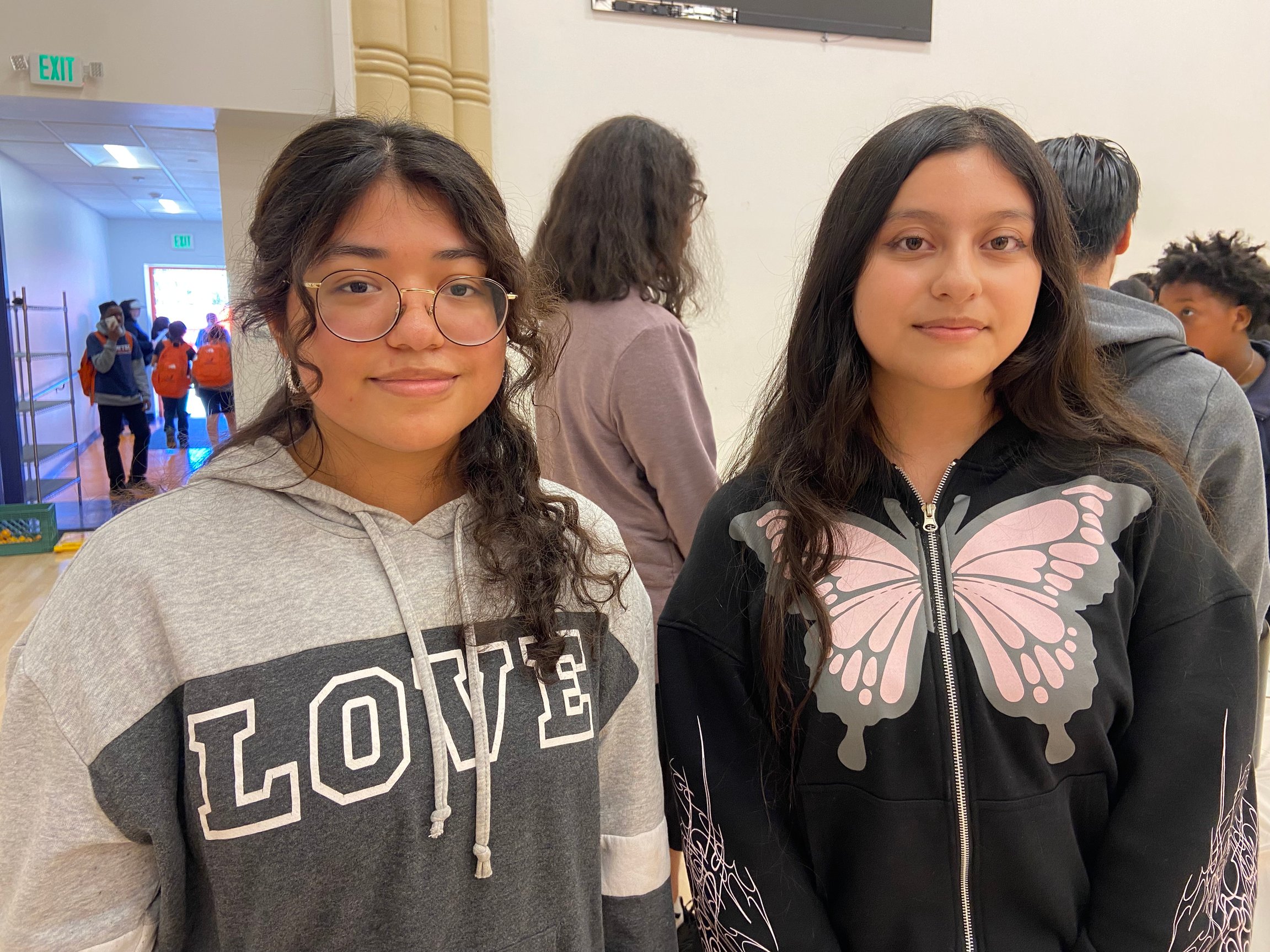 Sophomore Angela Monroy (left) says BayTech provides real and relevant ways to create change in students' lives.
That resilience defines BayTech—one of Oakland’s longest-standing charter public schools—serving predominantly Black and Latino students from low-income families, many of whom face significant barriers outside the classroom, including homelessness, foster care placement, and language challenges.
Despite these challenges, the school is delivering measurable results:
-
92.5% graduation rate
-
100% of graduates eligible for UC/CSU admission
-
Measurable gains in ELA and math, including significant improvements for students with disabilities and Black students
-
Strong college and career readiness outcomes
BayTech is not just maintaining performance—it is improving outcomes for students who have historically been underserved by traditional systems.
Bringing inspiring local leaders to campus is just one of the many ways educators show students, in real and relevant ways, that they have the power to create change in their own lives. 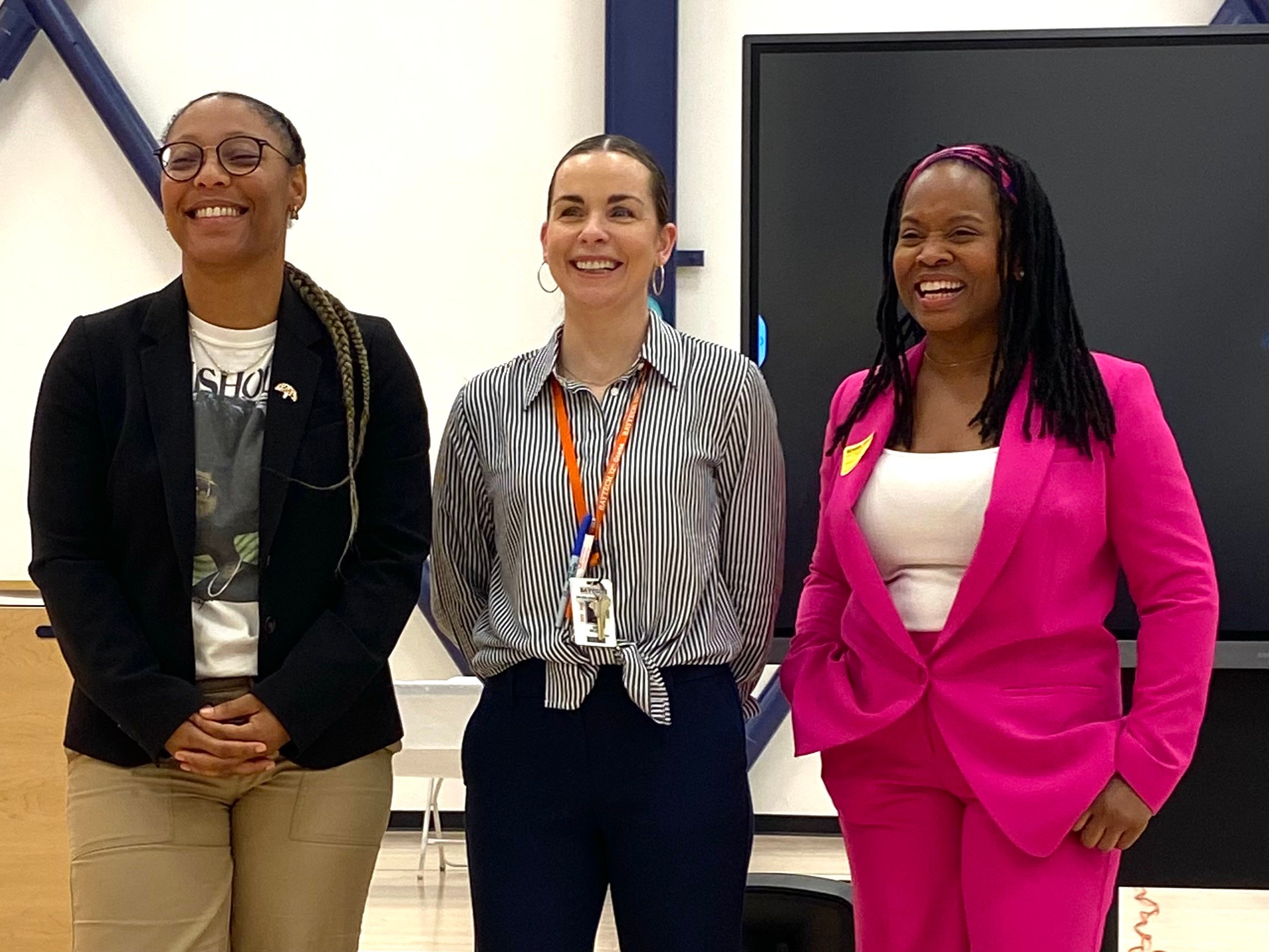
BayTech Principal Gail Puhl (center) is joined by Oakland City Councilmembers Rowena Brown (left) and Carroll Fife (right) at a recent school assembly in honor of Women's History Month.
“I really want them to be exposed to as many opportunities as possible through different avenues,” said BayTech Principal Gail Puhl. “I want them to know there’s not just one outcome for their lives, but many options.”
From Crisis to Comeback
The school’s progress is even more remarkable given its recent history.
In 2023, BayTech experienced a devastating tragedy when a shooting at a co-located campus claimed the life of a beloved staff member.
Many schools might not have recovered.
BayTech did.
With support from community partners, including the California Charter Schools Association (CCSA), Local Initiatives Support Corporation (LISC), Raza Development Fund, and Wells Fargo, the school secured funding and transformed a long-abandoned building into a new, safe, state-of-the-art campus in East Oakland.
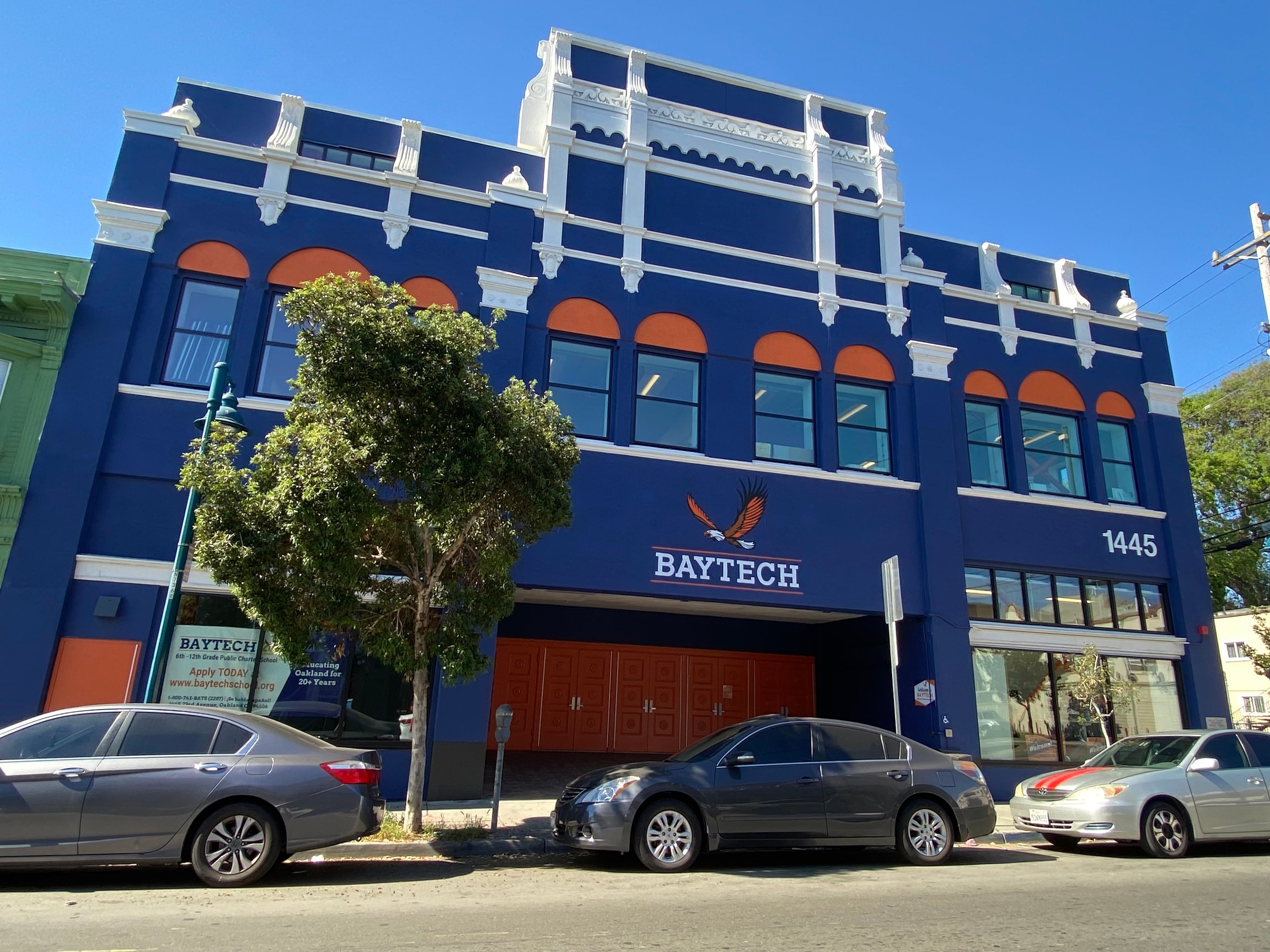
With support from community partners, BayTech transformed a long-abandoned theater into a state-of-the-art campus in East Oakland.
This was not just a facilities upgrade—it was a commitment to students and families: we are here to stay.
“Our community over the last few years has seen a lot of change. It took a lot for us to stay together and make this transition,” Puhl said. “I want all my students to continue to grow into this school and this neighborhood. It feels like we’re finally getting settled. I want them to feel safe, secure, and able to thrive.”
A Decision With Real Consequences
Despite BayTech’s progress, Oakland Unified School District has denied renewal of the school’s charter.
Now, the Alameda County Board of Education (ACOE) faces a critical decision: whether to uphold that denial—or overturn it and allow the school to continue serving its students.
This decision would be devastating for the students and families who have placed their trust in BayTech.
Closing BayTech would:
-
Displace hundreds of students—many already facing instability
-
Eliminate a quality public school option in an underserved community
-
Undermine a school that has demonstrated resilience, accountability, and measurable growth
At a time when students need stability most, closure would create disruption.
At a time when equity is a stated priority, closure would remove access.
Broad Community Support
BayTech is not standing alone.
Community leaders, nonprofit organizations, and elected officials have voiced strong support for the school, including Oakland City Councilmember Rowena Brown.
“I love BayTech,” said Brown. “When something is working for our young people—especially those who’ve been historically underserved—we have a responsibility to protect it.”
That sentiment is echoed by education advocates across the state.
“BayTech represents exactly what public education should be—responsive, innovative, and centered on students who need it most,” said Myrna Castrejon, President and CEO of CCSA. “Closing a school like this sends the wrong message at a time when we should be expanding opportunity, not limiting it.”
What’s at Stake Beyond One School
This decision will not only impact BayTech—it will signal how educational opportunity is defined and protected across Alameda County and beyond.
If a school demonstrating academic progress, financial investment, and community impact can be closed despite those factors, it raises broader concerns about consistency, fairness, and the criteria used to evaluate public schools. 
BayTech serves predominantly Black and Latino students from low-income families, many of whom face significant barriers outside the classroom.
For policymakers, the question is clear:
Will decisions prioritize students—or politics?
BayTech will appear before the Alameda County Board of Education on Tuesday, April 14.
Board members have an opportunity to:
-
Protect a school that is delivering for its students
-
Preserve stability for families who depend on it
-
Affirm that progress and performance matter
For students like Andrea Scott—and hundreds of others—this is not just a policy decision.
It is a decision about whether their school, their community, and their future will be given the chance to continue.
“My goal when I graduate high school is to go straight to college and support myself,” said Scott, who plans to become a dental hygienist. “Right now, I just need to stay around positive energy—and that’s what BayTech brings every day.”
Explore Bay Area Technology School

WATCH NOW: Click to see the impact of BayTech's Women’s History Month assembly featuring Oakland City Councilmembers.
 WATCH NOW: Take quick tour of BayTech's new facility, a once abandoned building, now a state-of-the-art campus.
To learn more about Bay Area Technology School, visit its website.
If you'd like to offer your support so that this quality charter public school remains open, please contact BayTech Principal Gail Puhl, gpuhl@baytechschool.org, (800) 741-2287.