
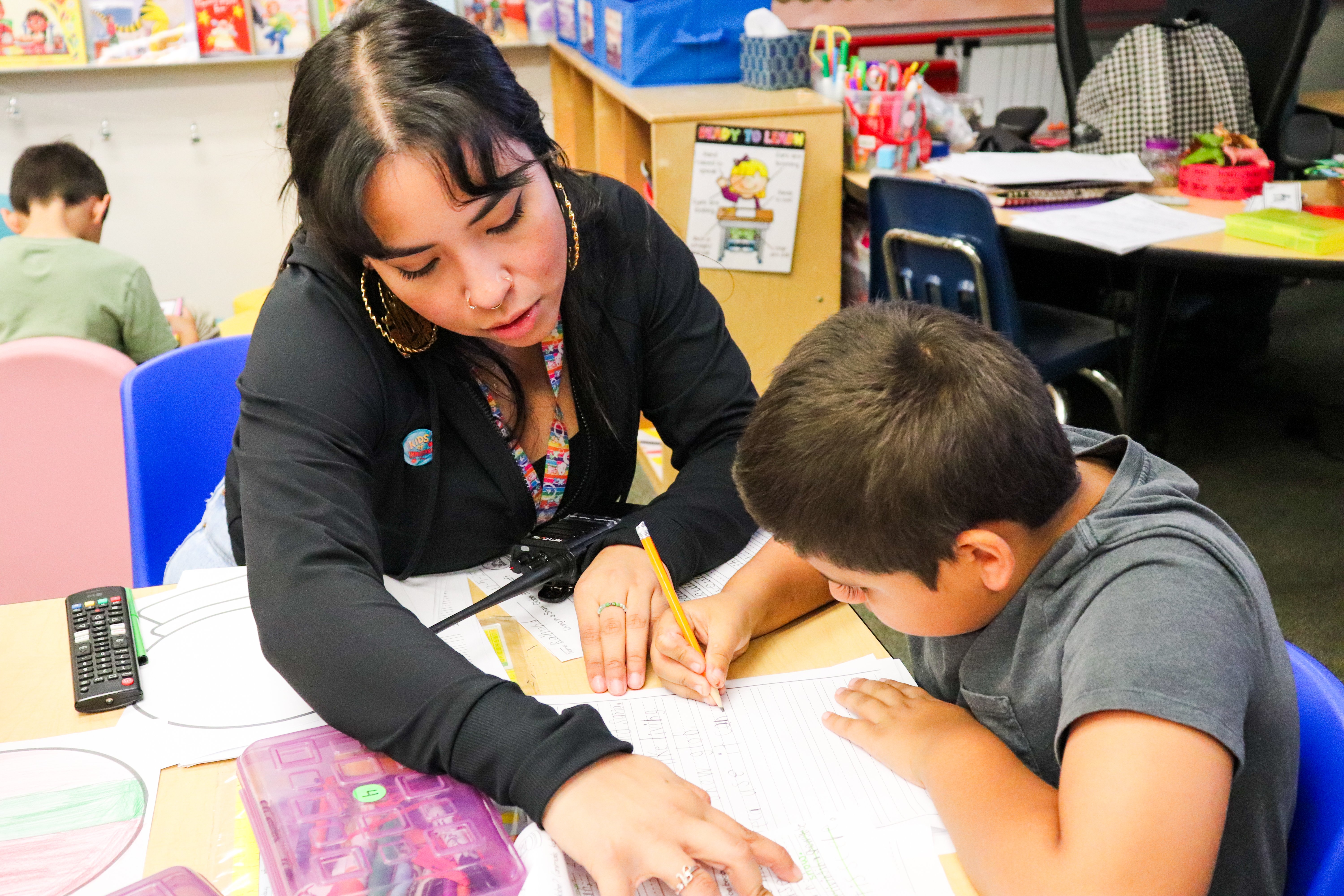
Back-to-school is officially here! As students, educators and families settle into a new school year, California’s charter public school movement has plenty of momentum -- and plenty to look forward to.
“We hope the year ahead brings renewed energy, strong connections, and meaningful progress for your school communities,” said CCSA President and CEO Myrna Castrejón. “Throughout the year, CCSA is here to support its member schools as they navigate renewals, new laws, and emerging challenges while creating opportunities to connect and advocate together.”
So what are we seeing across California’s charter public school movement as the new year gets underway? Here are 5 trends we’re watching:
1. California’s Charter Movement Starts the Year with Momentum
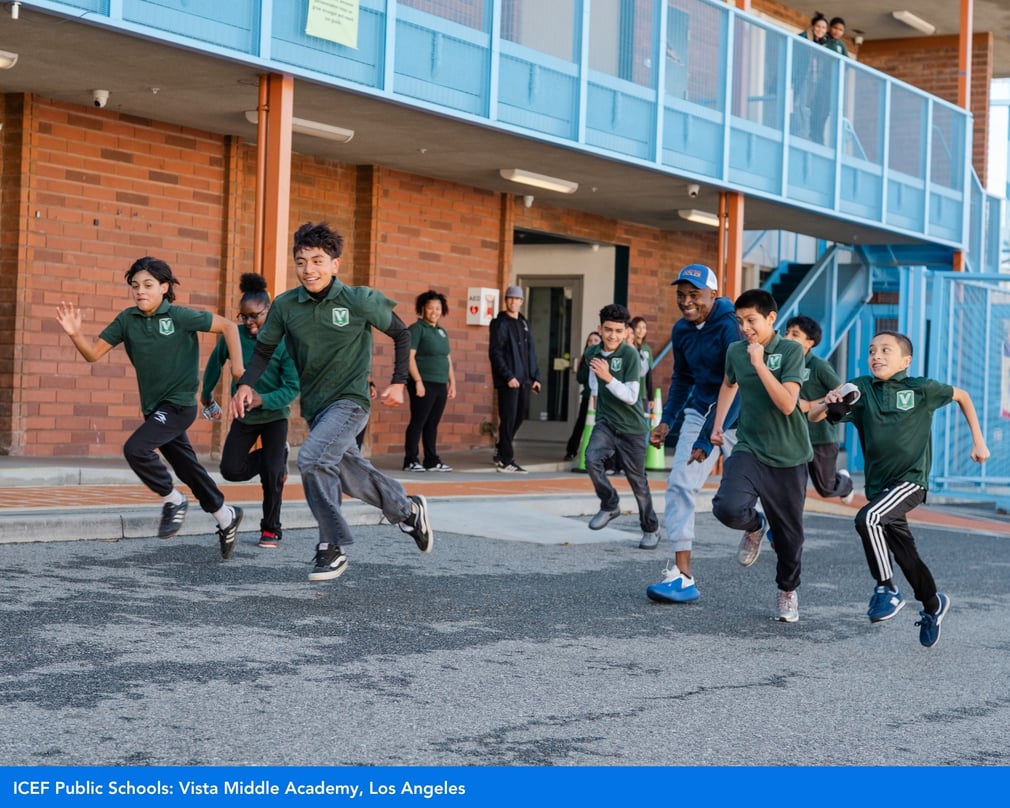
California’s charter public school movement heads into the new school year with plenty to build on.
Today, more than 725,000 students attend nearly 1,300 charter public schools across California, representing more than one in 10 of the state’s K–12 public school students.
Behind those numbers are hundreds of thousands of families choosing public school options they believe best meets the needs of their children -- and a movement that continues to play a significant role in California public education.
Schools are also beginning the year with another reason for optimism: California’s new state budget makes one of the largest investments in public education in state history, increasing funding to record levels for public schools.
That investment means more resources reaching classrooms and students, including greater support for students with disabilities and additional investments in English learners, literacy, career preparation, immigrant students and educators. Schools will also receive significant one-time flexible funding that can be used to respond to local needs and help students thrive.
For California’s charter public school families, the final budget serves an important reminder: every public school student deserves access to the resources they need to learn and succeed, regardless of the type of public school they attend.
2. Diverse Students, Diverse Schools, Diverse Ways to Learn
California’s students are extraordinarily diverse. They come from different communities and cultures, bring different strengths and needs to the classroom, and have different interests and aspirations for their futures.
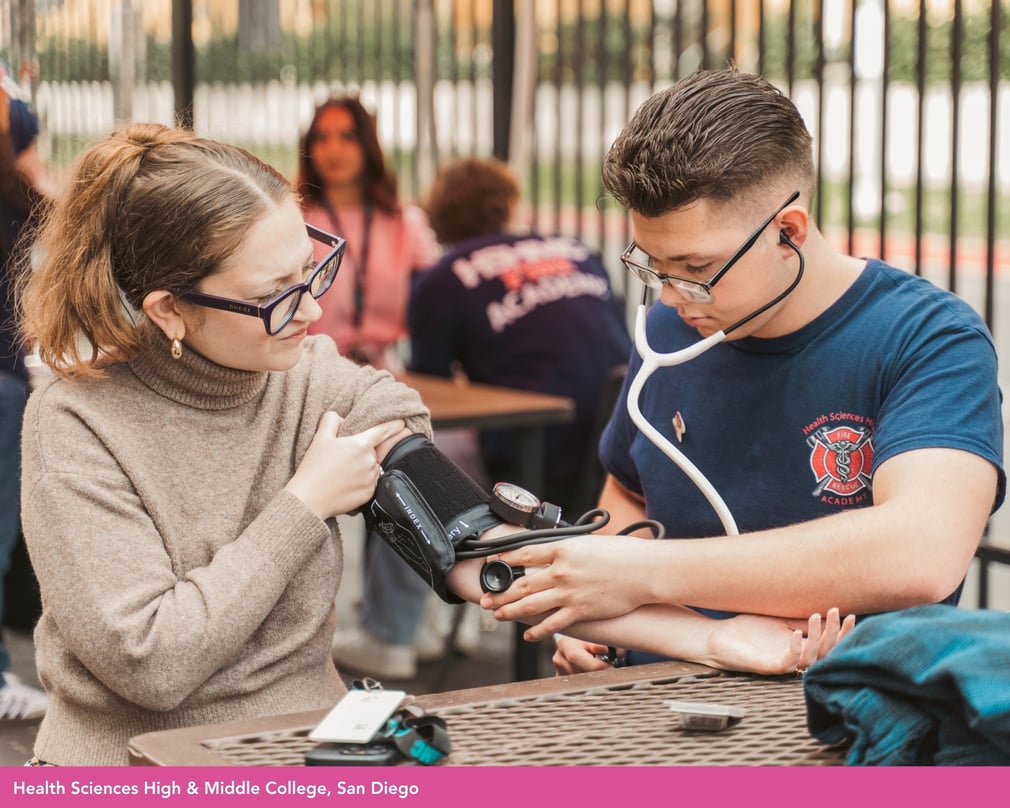
California’s charter public school students reflect that diversity: 53% are Latino, 7% are Black and 6% are Asian American and Pacific Islander. Charter schools also serve significant populations of students who have historically faced barriers to educational opportunity, including low-income students, English learners and students with disabilities.
And just as the students they serve are diverse, so are California’s charter public schools.
The flexibility built into the charter model allows educators to make decisions about curriculum, teaching, staffing and resources -- and to create educational approaches around the students and communities they serve.
Across California, that can mean STEM and project-based learning, college preparation, career pathways, arts education, dual-language immersion, culturally responsive programs, or other specialized approaches designed around what students need to learn, grow and succeed.
For some students, the right school may be one that helps them envision themselves as the first in their family to attend college. For others, it may be a school where they can explore engineering, pursue the arts, become bilingual and biliterate, prepare for a career, or learn through hands-on projects connected to the world around them.
That diversity is one of the charter movement’s greatest strengths: different schools, different approaches, and more ways for students to find an educational environment where they can thrive.

3. Learning Is Becoming More Personal
For some students, the best learning environment isn’t necessarily a traditional classroom five days a week.
Across California, flex-based charter public schools are reimagining where and how learning can happen through models that include independent study, homeschooling support, online and virtual learning, hybrid programs, and blended learning that combines time at school and at home.
Today, about 25% of California charter public schools are flex-based charter public schools, and more than 190,000 students statewide are enrolled in flex-based options.
For many families, that flexibility provides a learning environment better suited to a student’s individual circumstances -- whether that’s a student pursuing athletics or the arts, a medically fragile student, a young person who struggled in a traditional school environment, or a family whose work or life circumstances require greater flexibility.
That gets to the heart of what personalized learning can mean: instead of asking every student to fit into the same educational model, schools can adapt the learning environment to fit the student.
As Castrejón has said: “If a child can’t learn the way we’re teaching, we need to teach the way they can learn.”
4. Students Are Looking for More Than a School, They’re Looking for Belonging
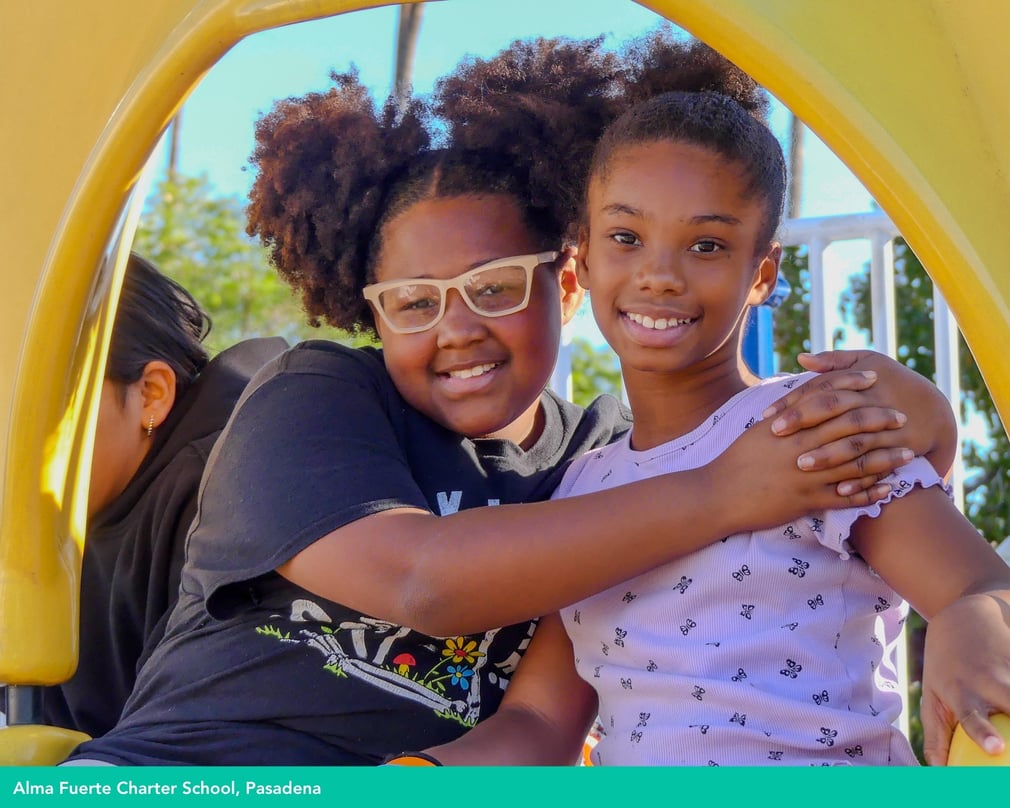
A great education is more than just academics. Students also need a place where they feel known, supported and connected.
That sense of belonging can be especially important at the start of a new school year, when students are walking into new classrooms, meeting new teachers, reconnecting with friends and figuring out where they fit.
For California charter public schools, building a strong school culture often starts with something fundamental to the charter model: a clear mission and an educational community intentionally designed around the students it serves.
That can take many forms. Some schools create advisory programs that ensure every student has a trusted adult on campus. Others emphasize student leadership and voice, restorative practices, mentoring, wellness supports, attendance and engagement initiatives, or schoolwide traditions that help students build relationships with one another.
That connection matters. When students feel seen and valued, schools can create environments where young people are more comfortable asking for help, taking risks in their learning, developing relationships and showing up as their true authentic selves.
Because finding the right school isn’t only about finding the right academic program. It’s also about finding a place where a student can say: I belong here!
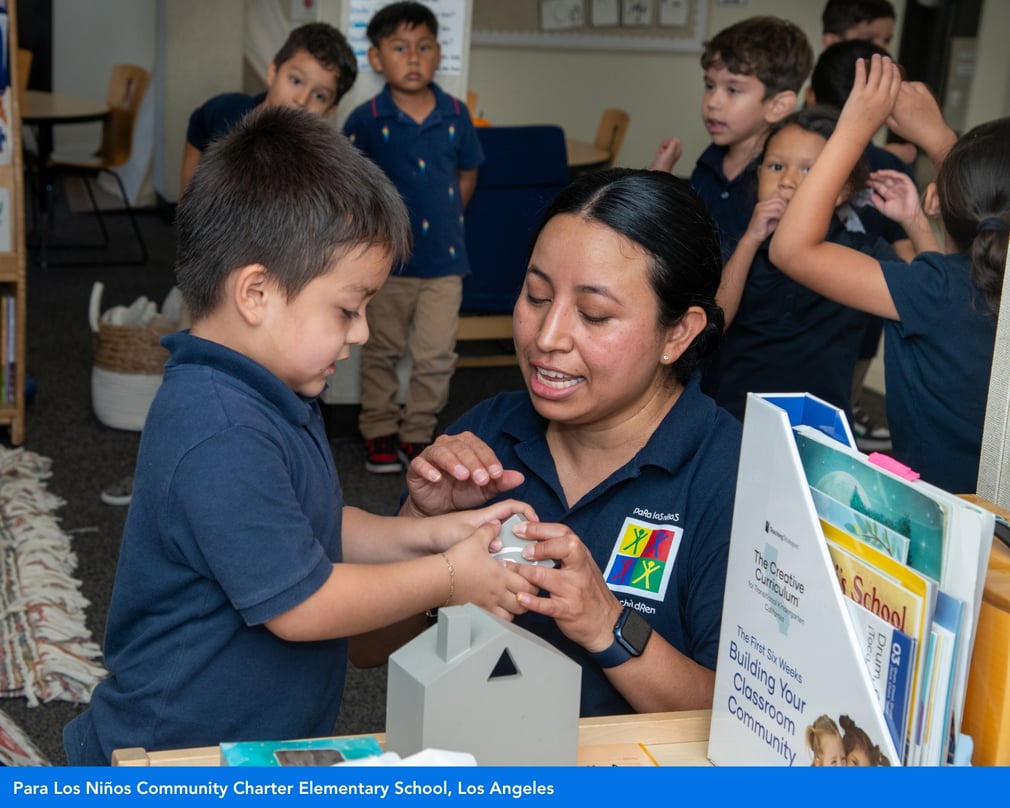
5. Schools Are Becoming Community Hubs
A great school can be much more than a place students go to learn. It can become an anchor for an entire community.
Across California, charter public schools are embracing community school models that pair strong academics with comprehensive support for students and families -- bringing together educators, families and community partners to address needs that can affect a child’s ability to succeed.
Today, 189 California charter public schools have received California Community Schools Partnership Program funding, collectively serving more than 69,000 students in the 2024–25 school year. These schools serve particularly high proportions of low-income students and English learners.
At the heart of the community school model is a simple but powerful idea: organize the resources of the community around student success.
That can mean integrating supports such as counseling, health care and other services so students are ready to learn. It can mean expanding learning through summer programs and real-world experiences. And it means engaging families and community members in identifying needs and helping shape the programs and supports schools provide.
Family partnership is fundamental to the model. CCSA’s Community Schools In Action research found that families at the charter community schools studied aren't simply recipients of services -- their input helps shape program design, scheduling, supports and community partnerships.
And schools are responding to what they hear.
Needs assessments at charter community schools have led to on-site services, expanded multilingual family supports and new career pathways aligned with student interests. Other identified needs have resulted in food drives, health clinics, family workshops and community gardens.
When schools understand their communities, listen to families and bring the right people and resources together, they can create places where entire communities thrive.
.png?width=1010&height=808&name=Template_Blog%20Photo%20Caption%20Frame%20(Photo%20Collage).png)
Ready for the Year Ahead
Taken together, these five trends point to something bigger: California’s charter movement is not defined by one educational approach. Its strength comes from its diversity -- schools serving different communities, using different models and finding different ways to help students learn and succeed.
What connects them is a commitment to public education and the belief that schools should be able to respond to the students, families and communities in front of them.
And as another school year begins, that shared purpose matters.
“This year, we’re focused on strengthening our collective voice and uniting around what matters most: ensuring every student has access to an education where they can thrive,” Castrejón said. “Together, we’ll continue to strengthen our collective voice and stand united for every student. Here’s to a strong school year!”
Ready. Set. Learn. Here’s to a trend-setting school year, CharterNation!